Contact Information
School of Fisheries and Ocean Sciences276 Arctic Health Research Bldg.
P.O. Box 757220
University of Alaska Fairbanks
Fairbanks, AK 99775-7220
Phone: (907) 474-5254
Fax: (907) 474-7204
acseitz@alaska.edu
Andrew Seitz Assistant Professor
Affiliations
- American Fisheries Society
- Alaska Hydrokinetic Energy Research Center
Specialties
- Fish dispersal and population structure
- Individual fish behavior
- Large marine fishes
- Electronic tagging
- Glacial river fish sampling
Education
- B.S. 1997 Cornell University (Biology)
- Ph.D. 2006 University of Alaska Fairbanks (Fisheries Oceanography)
Office Hours
Wednesdays 11 am - 12:45 pmResearch Overview
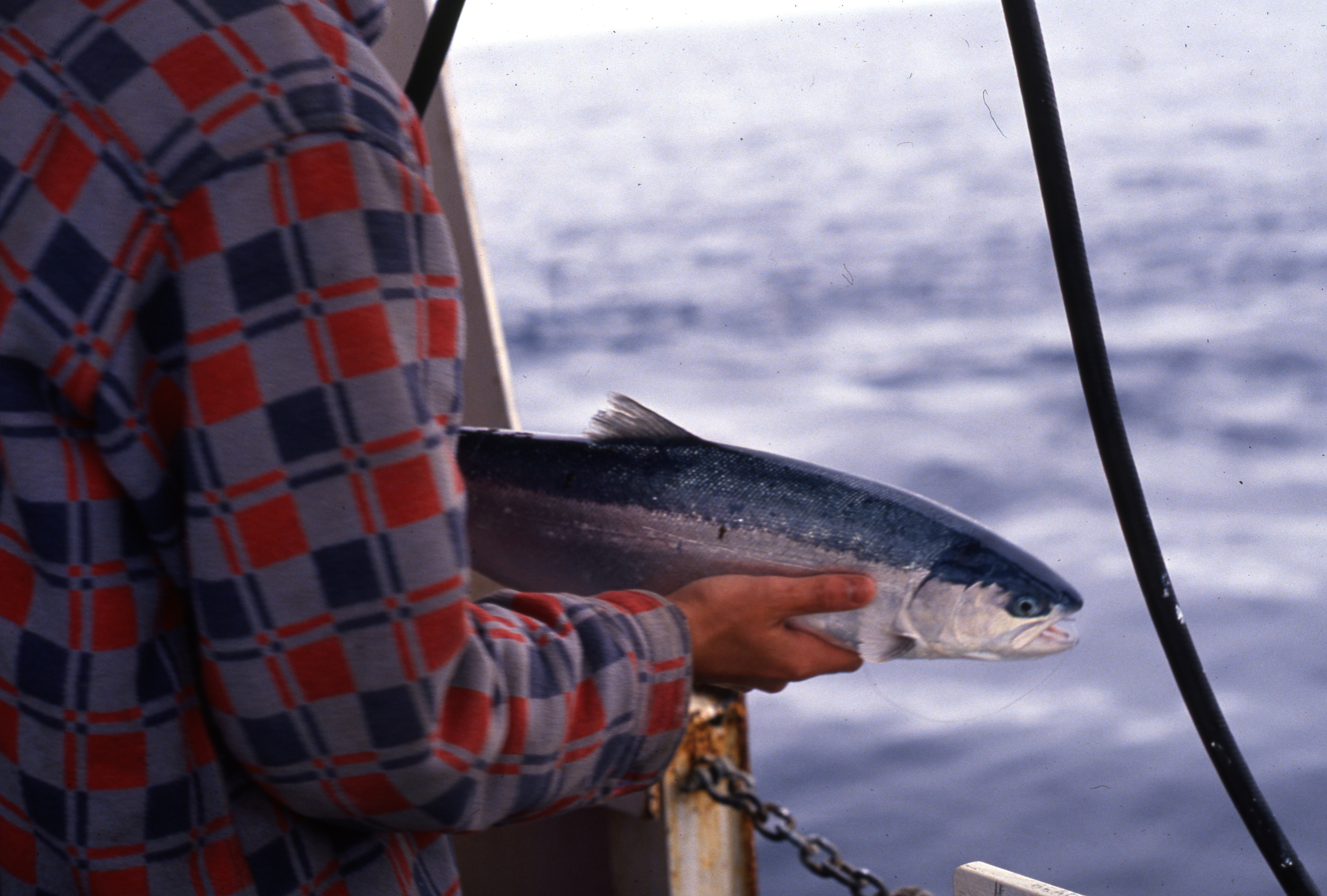
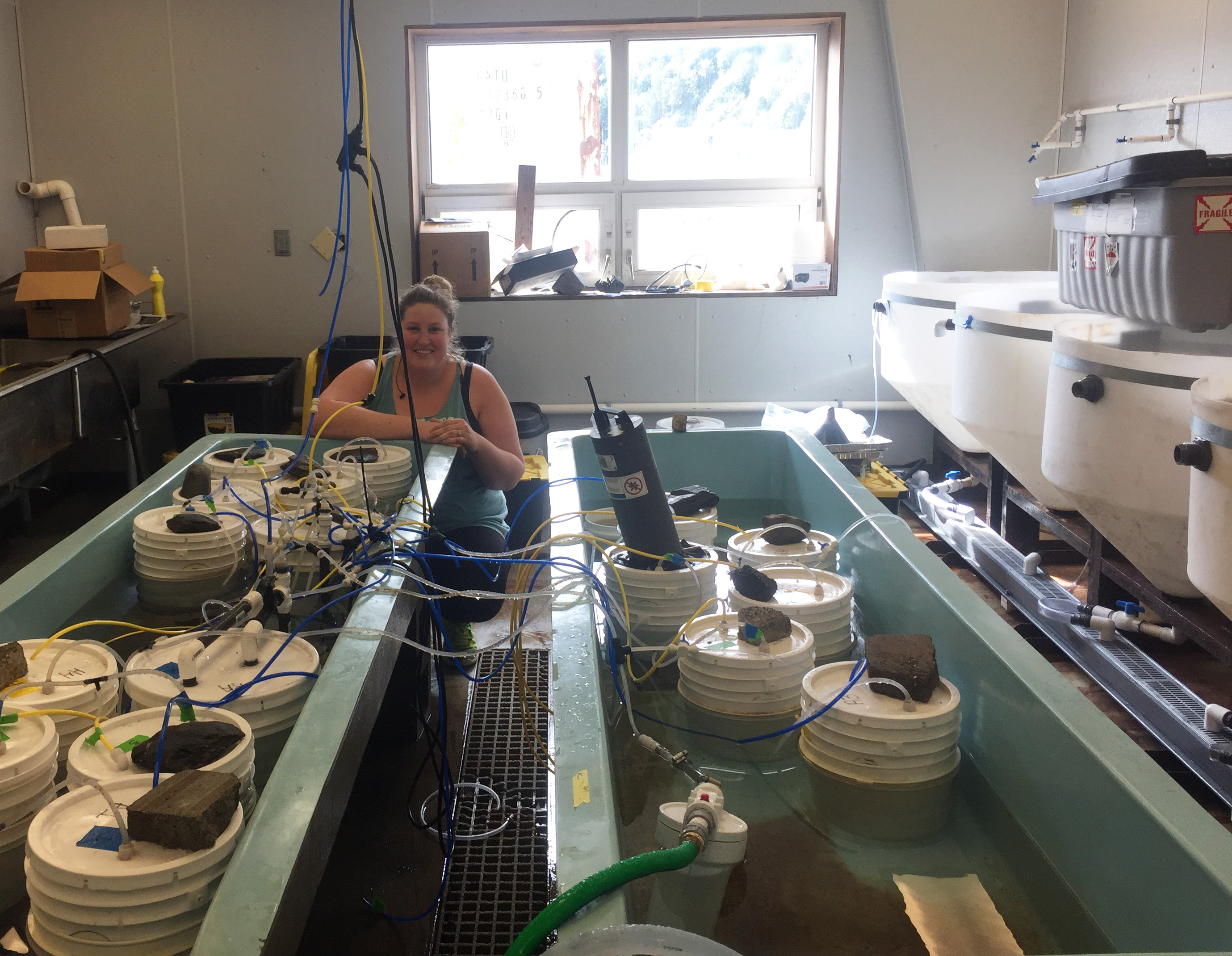
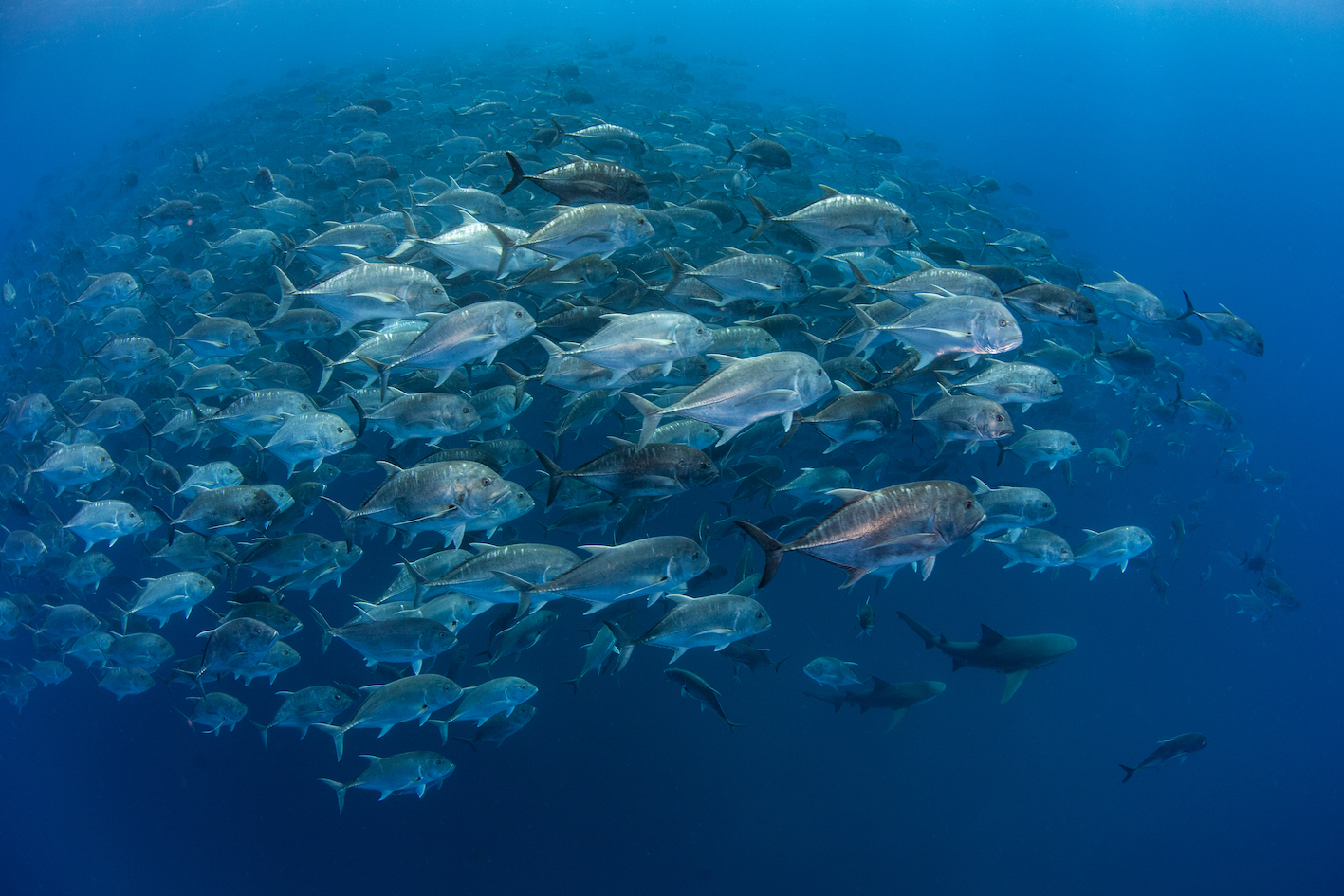
My research focuses on understanding behavior, life history, dispersal patterns and population structure of a variety of freshwater and marine fishes, ranging from salmon smolts to large, highly mobile species. Many of these fishes are intensively harvested and understanding their biology and ecology is paramount to effective management plans. However, studying these fish is often challenging because of their relative inaccessibility. To overcome these challenges, I have used a variety of techniques ranging from traditional net sampling in rivers to cutting-edge and innovative technology in the oceans.
Current Research Projects
- An interdisciplinary sustainability assessment of the directed skate fishery in Prince William Sound, Alaska (Marine Ecosystem Sustainability in the Arctic and )
Skates are in growing demand worldwide. In 2008, the U.S. landings of skates, mainly from the Atlantic Ocean, totaled 65 million pounds, worth US$11 million. Because skates are long-lived, mature late in life and possess slow intrinsic growth rates, they are vulnerable to overfishing. As such, many Atlantic Ocean skate stocks are depleted. In contrast, Alaska has relatively healthy skate stocks and there is increasing economic pressure to develop fisheries for them. Big (Raja binoculata) and longnose (R. rhina) skates are the most commonly landed skates in Alaska and a directed fishery is being developed in Prince William Sound (PWS). To sustainably manage this marine resource more biological information is needed. Our objectives are to 1) use satellite telemetry and conventional tags to understand habitat use, movement and transfer of skate biomass among management areas, 2) use the information from the first objective to develop a mark-recapture-based stock assessment for PWS skates, and 3) develop a bioeconomic model of the skate fishery in PWS. This interdisciplinary information is important for managing existing and proposed future skate fisheries. - Testing geomagnetic archival tags to track migratory marine animals in Alaskan waters (Rasmuson Fisheries Research Center, North Pacific )
This project is focused on developing a framework for using a newly-developed geomagnetic archival tag for tracking large-scale fish movements. The tag records values of the earth’s magnetic field as the animal moves through the study area. Estimated locations for the tagged animal can be obtained by matching the magnetic field values recorded by the tag to modeled values that occur in the study area. Because the magnetic field varies over the surface of the earth, it is necessary to characterize accuracy and precision of the method in each study area based on the strength and orientation of the magnetic fields in each area. Currently, research is being conducted on baseline tag measurement resolution and characterization of the magnetic fields in Alaska, with the goal of deploying tags on several species of demersal fishes in the near future. - Resurrect, revise and publish Pacific halibut movement research conducted in Glacier Bay National Park (Glacier Bay National Park)
Considerable resources were expended investigating Pacific halibut movement in Glacier Bay National Park between 1991-1998, yet results of this work were never peer reviewed or published. This project resurrects and reanalyzes these data for publication in a refereed journal as part of Julie Nielsen's PhD dissertation. - Fish sampling at the AP&T Yukon River hydrokinetic turbine project, Eagle, Alaska (Alaska Power and Telephone)
Migration and distribution patterns of juvenile fish in the upper Yukon River in Alaska are poorly understood. To characterize the juvenile fish community as part of a broader study assessing the impacts of a hydrokinetic turbine on down-migrating juvenile fishes, we used fyke nets to capture fishes in five shoreline locations of the Yukon River at Eagle, AK from June to September 2010. All captured fish were identified to the lowest taxonomic level, measured for fork length and released alive. In addition to capturing fishes, multiple environmental variables were recorded at each location for each set. Longnose suckers (Catostomus catostomus), Arctic grayling (Thymallus arcticus), whitefishes (Prosopium spp. and Coregonus spp.) and chum salmon (Oncorhynchus keta) were our most commonly captured species and showed distinct temporal patterns in catches. Catch of longnose suckers was directly correlated to river discharge while Arctic grayling, whitefishes and chum salmon appeared to show species-specific timing in downstream migration that was independent of environmental factors. Chinook salmon (Oncorhynchus tshawytscha), inconnu (Stenodus leucichthys), lake chub (Couesius plumbeus), burbot (Lota lota), lamprey (Lamptera spp.) and slimy sculpin (Cottus cognatus) were infrequently captured and did not show any temporal trends in catches. Species-specific variation in catch among sampling locations suggests that juvenile fishes exhibit preference for distinct habitats within the river channel during their downstream migrations. This knowledge advances our baseline understanding of migration and distribution patterns of juvenile fishes in the upper Yukon River, which is valuable for assessing impacts of human development, such as hydrokinetic turbines. - Feasibility study of an innovative fish tracking system using an autonomous underwater vehicle glider (West Coast and Polar Regions Undersea Research Cen)
We tested the feasibility of using an innovative system for detecting acoustic-tagged fishes and examining the effects of the marine environment on tag detection. This fish tracking system consisted of hydrophone receivers mounted on an autonomous underwater vehicle, the Webb Slocum glider. Acoustic tags were attached to a stationary buoy line at five different depths in Auke Bay, Alaska and the glider made repeat transects past the buoy. During these transects, the glider also collected a high resolution suite of environmental measurements including temperature, salinity, pressure (depth), distance to bottom, chlorophyll fluorescence, turbidity, and dissolved organic matter fluorescence. The hydrophones mounted on the glider recorded up to 150 detections per tag in a single pass of the glider. Maximum detection range of the tags was approximately 600 m, although the vast majority of detections were recorded from <300 m. These preliminary results indicated that this system represents a new, interdisciplinary tool for detection of multiple acoustic-tagged fish over monthly time scales, simultaneous with the collection of high-resolution biophysical oceanographic data from the fishes’ habitat. - Characterizing the juvenile fish community in the Tanana River in support of hydrokinetic turbine deployments (Alaska Energy Authority and Denali Commission)
The Alaska Hydrokinetics Energy Research Center is developing a site in the Tanana River near Nenana, Alaska for designing and testing in-river, hydrokinetic devices. As part of the permitting requirements, it is necessary to conduct baseline fish studies to assess the potential and realized impacts of hydrokinetic devices on down-migrating juvenile fishes moving through the deployment site, both of which are poorly understood. Fish monitoring is being conducted from May-September 2011 and will consist of sampling fishes in two distinct river channel locations. The river margins are being sampled for fishes using fyke nets and beach seines while the middle of the river channel are being sampled using an inclined plane trap, beach seines and a modified frame trawl. All captured fish are identified to species, counted, measured and released alive in the river soon after measurement to semi-quantitatively characterize the timing and species composition of the juvenile salmon and resident fish species runs.
Publications
Seitz, A.C., K. Moerlein, M.D. Evans and A.E. Rosenberger. 2011. Ecology of fishes in a high latitude turbid river, with implications for the impacts of hydrokinetic devices. Reviews in Fish Biology and Fisheries DOI 10.1007/s11160-011-9200-3.
Seitz, A.C., T. Loher, B.L. Norcross, and J.L. Nielsen. 2011. Dispersal and behavior of Pacific halibut Hippoglossus stenolepis in the Bering Sea and Aleutian Islands region. Aquatic Biology 12: 225–239.
Seitz, A.C. and T. M. Sutton. 2010. Distance learning in today’s classroom. Fisheries 35(10): 501–505.
Seitz, A.C., B.L. Norcross, J.C. Payne, A.N. Kagley, B. Meloy, J.L. Gregg and P.K. Hershberger. 2010. Feasibility of surgically implanting acoustic tags in Pacific herring. Transactions of the American Fisheries Society 139: 1288–1291.
Nielsen, J.L., S.L. Graziano, and A.C. Seitz. 2010. Fine-scale population genetic structure in Alaskan Pacific halibut (Hippoglossus stenolepis). Conservation Genetics 11: 999–1012.
Weng, K.C., M.J.W. Stokesbury, A.M. Boustany, A.C. Seitz, S.L.H. Teo, S.K. Miller and B.A. Block. 2009. Habitat and behaviour of yellowfin tuna Thunnus albacares in the Gulf of Mexico determined using pop-up satellite archival tags. Journal of Fish Biology 74: 1434–1449.
Loher, T. and A.C. Seitz. 2008. Characterization of active spawning season and depth for eastern Pacific halibut (Hippoglossus stenolepis), and evidence of probably skipped-spawning. Journal of Northwest Atlantic Fishery Science 41: 23–36.
Teo, S.L.H., A. Boustany, H. Dewar, M.J.W. Stokesbury, K.C. Weng, S. Beemer, A.C. Seitz, C.J. Farwell, E.D. Prince and B.A. Block. 2007. Movement patterns, diving behavior and thermal biology of Atlantic bluefin tuna (Thunnus thynnus) on their breeding grounds in the Gulf of Mexico. Marine Biology 151(1): 1–18.
Seitz, A., B.L. Norcross, D. Wilson and J.L. Nielsen. 2006. An evaluation of light-based geolocation for demersal fish in high latitudes. Fishery Bulletin 104: 571–578.
Loher, T.L. and A.C. Seitz. 2006. Seasonal migration and environmental conditions experienced by Pacific halibut in the Gulf of Alaska, elucidated from pop-up archival transmitting (PAT) tags. Marine Ecology Progress Series 317: 259–271.
Seitz, A., B.L. Norcross, D. Wilson and J. L. Nielsen. 2005. Identifying spawning behavior in Pacific halibut (Hippoglossus stenolepis) using electronic tags. Environmental Biology of Fishes 73: 445–451.
Stokesbury, M.J.W., S.L.H. Teo, A.C. Seitz, R.K. O’Dor and B.A. Block. 2004. Movement of Atlantic bluefin tuna (Thunnus thynnus) as determined by satellite tagging experiments initiated off New England. Canadian Journal of Fisheries and Aquatic Sciences 61: 1976–1987.
Seitz, A., D. Wilson, B.L. Norcross and J.L. Nielsen. 2003. Pop-up archival transmitting (PAT) tags: a method to investigate the migration and behavior of Pacific halibut Hippoglossus stenolepis in the Gulf of Alaska. Alaska Fishery Research Bulletin 10(2):124–136.
Seitz, A. C., K.C. Weng, A.M. Boustany and B.A. Block. 2002. Behavior of a sharptail mola in the Gulf of Mexico. Journal of Fish Biology 60(6):1597–1602.
Block, B.A., H. Dewar, S.B. Blackwell, T.D. Williams, E.D. Prince, C.J. Farwell, A. Boustany, S.L.H. Teo, A. Seitz, A. Walli and D. Fudge. 2001. Migratory movements, depth preferences, and thermal biology of Atlantic bluefin tuna. Science 293: 1310–1314.
Marcinek, D.M., S.B. Blackwell, H. Dewar, E.V. Freund, C. Farwell, D. Dau, A.C. Seitz and B.A. Block. 2001. Depth and muscle temperature of Pacific bluefin tuna examined with acoustic and pop-up satellite archival tags. Marine Biology 138(4): 869–885.